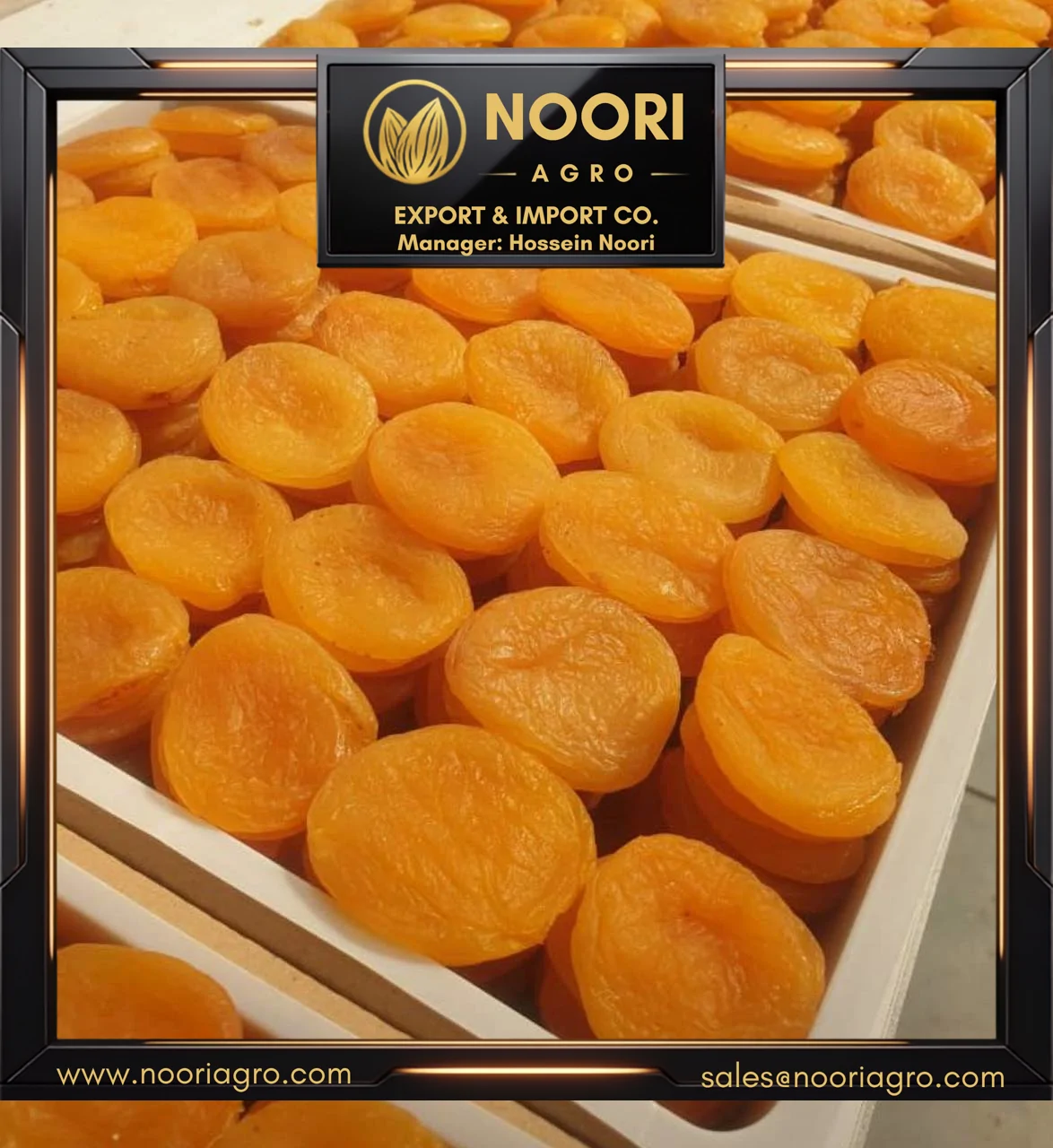
Natural Dried Apricots
Iranian Dried Apricots | Wholesale Purchase of Export-Quality Apricots from Marand, Azarshahr, and Tabriz
Supply and Wholesale of Export-Quality Iranian Dried Apricots
Iranian dried apricots are a valuable product within the country’s dried fruit and nut industry. Due to their sweet flavor, natural aroma, attractive color, and versatile applications in the food industry, they hold a prominent position in both domestic and export markets. Known by various names—such as *gheysi* (dried apricots) and *bargeh zardaloo* (apricot halves/slices)—these products are available in several forms: natural (sun-dried), sulfur-treated, sulfur-free, whole, or sliced/chopped.
East Azerbaijan Province is a major hub for apricot production in Iran, with counties such as Marand, Jolfa, and Shabestar playing a significant role. In addition to the apricot orchards, the presence of processing and packaging facilities in the region has further bolstered the market for these dried apricot products.
Terms such as "Marand apricots," "East Azerbaijan dried apricots," and "processed products from the Tabriz region" highlight the production capacity for Iranian dried apricots. This product is available for wholesalers, importers, distribution companies, food manufacturers, and export-oriented buyers.
If you are looking to purchase Iranian dried apricots in bulk, inquire about prices for export-quality apricots, or source dried apricots directly from domestic producers, this page provides information on the available product varieties, their characteristics, production regions, packaging options, and various applications.
What Are Iranian Dried Apricots?
Dried apricots—referred to in Persian as *zardaloo-ye khoshk* or *gheysi*—are produced by drying fresh apricots. In this process, a portion of the fruit's moisture is removed, resulting in a product with a sweet flavor, a longer shelf life compared to fresh fruit, and the ability to be transported and sold in various markets.
Depending on the fruit variety, production region, harvest time, and drying method, Iranian dried apricots can vary in terms of size, color, moisture content, texture, and flavor.
In Iran, a significant portion of the apricot harvest—beyond what is consumed fresh—is processed into products such as *gheysi* (whole dried apricots), *bargeh* (apricot halves/slices), and apricot chips. This processing increases the product's value and allows it to be made available throughout the year.
Apricots from East Azerbaijan: A Key Production Hub in Iran
East Azerbaijan is one of Iran’s major horticultural provinces, with apricots standing out as a signature crop. The diverse climatic conditions across the province and the variety of cultivars grown there enable the production of apricots with distinct characteristics.
Within this province, Marand County is a primary center for apricot production, while Jolfa and Shabestar also contribute significantly to the output. Part of the harvest is sold fresh, while the remainder is used to produce *gheysi*, *bargeh*, and other apricot-based products.
Reports on apricots from East Azerbaijan highlight several key attributes, including their excellent aroma and flavor, sugar content, fruit size, and an appealing color that is highly sought after in the market.
These qualities, combined with local processing and packaging capabilities, have made dried apricots from East Azerbaijan a notable product for the dried fruit and nut market, as well as the broader food industry.
Marand Apricots; A Prominent Apricot-Producing Region in Iran
Marand County, located in the northwest of East Azerbaijan Province, is one of the country's most well-known regions for apricot production. The apricot orchards of Marand, along with the activities of local farmers and processing facilities, play a significant role in the supply of apricots and the production of Iranian dried apricots (*gheysi*).
Beyond being consumed fresh, Marand apricots are used to produce various types of dried apricots—including *gheysi* (whole dried apricots) and *bargeh* (apricot halves/slices)—as well as apricot chips. A substantial portion of the county's harvest undergoes processing and drying.
Characteristics of Marand Apricots
Cultivation of diverse apricot varieties within the region's orchards
Suitability for both fresh consumption and industrial processing
Production of *gheysi* and *bargeh* (dried apricot products)
Viability for both domestic and export markets
Availability of local infrastructure for drying, processing, and packaging
Active participation of farmers and producers throughout the apricot supply chain
Apricot Varieties in Marand
Various apricot cultivars are grown in the orchards of Marand. Notable varieties mentioned in reports concerning this region include:
Asgarabad
Nasiri
Tabarzeh
Ordubadi
Shahroudi
These varieties differ in terms of size, color, texture, and intended use. Some are best suited for fresh consumption, while others are utilized for processing and the production of dried fruit products.
Processing Marand Apricots into Dried Products
A crucial component of the apricot supply chain in Marand is the post-harvest processing of the fruit. After being selected and prepared, fresh apricots are processed into various dried forms—such as whole dried apricots (*gheysi*), halves (*bargeh*), or apricot chips—depending on the production method employed.
Both traditional sun-drying and industrial techniques are used to produce dried apricot products. The choice of processing method depends on the specific type of product, the producer's available facilities, and the requirements of the target market.
The village of Zenuzagh, located in Marand, is also noted in local accounts as a well-known center for the processing and drying of apricots.
Characteristics of Dried Apricots (*Gheysi* and *Bargeh*) from Azarshahr
Available in bulk or packaged form
Used in the dried fruit/nut market and the food industry
Can be processed into whole dried apricots (*Gheysi*) or sliced dried apricots (*Bargeh*)
Offered in various grades and sizes
Products can be customized to meet the specific requirements of commercial buyers
When purchasing dried apricots from Azarshahr, it is important to evaluate the product type, moisture content, color, size, percentage of defects, and packaging conditions.
Tabriz: A Commercial and Processing Hub for Dried Fruit Products in Azerbaijan
Due to its commercial and industrial standing, Tabriz plays a pivotal role in connecting producers, processing and packaging facilities, and sales markets for food products in northwestern Iran.
Within the dried apricot supply chain, Tabriz serves as a key point of access for buyers to connect with producers and suppliers of dried apricots (*Gheysi* and *Bargeh*). Furthermore, the presence of industrial facilities and active players in the dried fruit sector in the Tabriz area facilitates commercial partnerships and the supply of products for various markets.
Dried Apricots from Tabriz and Regionally Processed Products
In a commercial context, the term "Tabriz dried apricots" may refer to products sourced from orchards in East Azerbaijan that are subsequently processed, packaged, or distributed within the Tabriz area.
Therefore, when purchasing "Tabriz dried apricots," it is advisable to verify not only the point of sale but also the country and region of origin. This helps the buyer distinguish between where the apricots were grown and where they were processed or packaged.
Types of Iranian Dried Apricots
Dried apricots are categorized into various types based on their processing method, color, moisture content, and physical appearance.
1. Natural (Unsulphured) Dried Apricots
Natural or unsulphured dried apricots are processed without the use of sulphur dioxide. These apricots typically range in color from light brown to dark brown, reflecting the natural appearance of dried fruit.
Characteristics:
Not treated with sulphur dioxide
Natural brown to dark-brown color
Sweet, natural flavor
Suitable for direct consumption and use in the food industry
Available in both bulk and retail packaging
2. Sulphured Dried Apricots
Sulphur dioxide is used during the processing of sulphured dried apricots to help maintain a bright color and manage certain quality-related changes.
Characteristics:
Brighter, typically more orange color
More uniform appearance
Suitable for specific dried fruit markets and the food industry
Requires monitoring of residual sulphite levels in compliance with the standards of the destination market
3. Organic Dried Apricots
Organic dried apricots are produced in accordance with the requirements for organic production and processing. Marketing this product as "organic" requires a valid, verifiable certificate.
4. Whole Dried Apricots
This product is supplied in whole form and is suitable for retail packaging, the dried fruit market, and direct consumption.
5. Diced Dried Apricots
Diced apricots are suitable for use in food production lines and are utilized in the preparation of granola, breakfast cereals, cakes, cookies, chocolates, and snacks.
6. Soft / High-Moisture Dried Apricots
This variety of dried apricot features a softer texture and higher moisture content. Specific moisture parameters and storage conditions should be determined based on the product's technical specifications.
Technical Specifications of Iranian Dried Apricots
The characteristics of Iranian dried apricots depend on the fruit variety, production region, drying method, and processing type.
Characteristic
Description
Product Name
Dried Apricot
Common Names
*Gheysi* (whole dried apricot) and *Bargeh-ye Zard-aloo* (apricot halves/slices)
Country of Origin
Iran
Key Production Regions
Marand, Jolfa, Shabestar, and other producing areas in East Azerbaijan
Processing Types
Natural (sun-dried), sulfur-treated, and certified organic
Form
Whole, halves/slices, diced, and industrial-grade
Color
Orange, light brown to dark brown
Texture
Soft, standard, or high-moisture
Grading
Various sizes based on supplier specifications
Applications
Dried fruit snacks, confectionery, and the food industry
Packaging
Cartons, bulk, and retail packaging
For export purchases, it is advisable to include precise details regarding moisture content, size, color, percentage of defects, sulfite levels, and shelf life in the product's technical specification sheet. Nutritional Value of Dried Apricots
Dried apricots contain carbohydrates, natural sugars, dietary fiber, and various vitamins and minerals. Due to their fiber content and compounds related to vitamin A, they can serve as a valuable component of a varied diet.
Key components of dried apricots include:
Dietary fiber
Carbohydrates
Natural sugars
Vitamin A precursors
Potassium and other minerals
The exact nutritional composition depends on the variety of the apricot, the drying method, and the product's moisture content. For the purpose of including a nutrition facts table on packaging, a verified analysis of the specific product must be used.
Uses of Iranian Dried Apricots in the Food Industry
Beyond direct consumption, Iranian dried apricots are utilized across various sectors of the food industry:
1. Dried Fruit and Nut Market
Whole dried apricots (*gheysi*) and apricot halves (*bargeh*) are widely used in dried fruit and nut shops, as well as in mixed nut and dried fruit assortments.
2. Granola and Snack Production
Chopped dried apricots can be incorporated into granola, fruit-based snacks, and breakfast products.
3. Confectionery and Bakery Industry
This product is used in the production of cakes, cookies, pastries, pies, and various other baked goods.
4. Production of Sauces and Food Products
The sweet and slightly tart flavor of apricots makes them an ideal raw material for the preparation of various sauces and food products.
5. Direct Consumption
Dried apricots (both whole pitted and sliced) are consumed as snacks and treats and can be offered in small, retail-ready packaging.
Packaging Dried Apricots for Wholesale and Export
Proper packaging is crucial for maintaining the quality of dried apricots and facilitating their transport.
Bulk Packaging
Bulk packaging is suitable for importers, wholesalers, and food industry manufacturers.
Examples of available weights (customizable upon request):
3 kg carton
5 kg carton
12.5 kg carton
Master cartons (containing multiple smaller packages or cartons)
The final weight and type of packaging should be determined based on the supplier's capabilities and the buyer's requirements.
Retail Packaging
For sale in stores and the consumer market, dried apricots can be packaged in resealable (zipper) pouches, stand-up pouches, or sealed plastic containers.
Storage Conditions for Dried Apricots
To maintain their quality, dried apricots should be stored in a cool, dry environment, away from direct sunlight. Important Considerations:
Prevent the product from being exposed to moisture.
Use intact and appropriate packaging.
Protect the product from direct light.
Avoid contact with unpleasant odors.
Adhere to the temperature conditions recommended in the product's technical specifications.
For soft, high-moisture dried apricots, controlling storage conditions is particularly critical. Shelf life should be determined based on the specific characteristics of the product and test results.
Wholesale Purchase of Iranian Dried Apricots
If you are looking to purchase Iranian dried apricots in bulk—whether for a retail store, distribution company, food processing plant, or for export—it is advisable to select the product based on its processing method and technical specifications.
When purchasing Iranian dried apricots in bulk, the following factors are important:
Region and country of origin
Apricot variety and processing method
Whether the product is natural (untreated) or sulfur-treated
Availability of organic certification (if requested)
Size and grading
Moisture content
Color and visual uniformity
Percentage of waste or damaged product
Packaging type and net weight
Certificate of Analysis (CoA) and shipping/transportation conditions
When purchasing dried apricots from Marand or Azarshahr, or those supplied in Tabriz, it is recommended to obtain samples and review the technical specifications before placing a final order.
How is the price of Iranian dried apricots determined?
The price of Iranian dried apricots depends on various factors; therefore, a single, fixed price cannot be applied to all types of dried apricots. The key factors influencing the price include:
Region of production and supply
Apricot variety
Processing method (natural vs. sulfur-treated)
Organic status and valid certification
Size and grading
Moisture content
Color and visual quality
Percentage of waste/defects
Type of packaging
Order quantity and transportation costs
Prices for Marand-style dried apricots (*gheysi*), Azarshahr-style dried apricots, and wholesale dried apricots should be inquired about based on the actual product specifications, order volume, and delivery terms.
Export of Iranian Dried Apricots
Due to their widespread use in the dried fruit market and the food industry, Iranian dried apricots have significant potential for export. East Azerbaijan province, with its apricot orchards and processing facilities, plays a key role in the supply chain and export of this product.
A portion of the apricots produced in the province is processed into *gheysi* (dried apricots) and other dried fruit products, which are then supplied to foreign markets. Required Documentation and Specifications for Export
Depending on the destination country and its food import regulations, the required documentation may include the following:
Product Specifications
Certificate of Analysis (CoA)
Information regarding the country and region of origin
List of ingredients and raw materials
Packaging details and net weight
Required sanitary and export documentation
Organic certification (if the product is marketed as organic)
Target Market for Iranian Dried Apricots
Iranian dried apricots can be supplied to various categories of commercial buyers:
Importers of dried fruits and nuts
Wholesalers and distribution companies
Chain stores
Manufacturers of nuts and dried fruits
Confectionery and chocolate factories
Manufacturers of granola and snack foods
Food packaging and processing companies
Why are dried apricots from East Azerbaijan significant for wholesale buyers?
The presence of well-known apricot-producing regions—such as Marand—combined with local processing capacity and access to the commercial network in Tabriz, facilitates connections between orchard owners, processing facilities, and wholesale buyers.
For buyers seeking to source Iranian dried apricots, understanding the region of origin and specific product characteristics is crucial. Apricots from Marand, dried apricots from East Azerbaijan, and processed products from the Tabriz region can be evaluated based on the specific order requirements and desired quality standards.
When selecting a supplier, key factors for a successful business partnership include transparency regarding the origin, the provision of samples, detailed technical specifications, consistent quality, and the capacity to fulfill large-scale orders.
Frequently Asked Questions About Iranian Dried Apricots
What are Iranian dried apricots? Iranian dried apricots—often referred to as *gheysi*—are produced by drying apricots grown in various regions across Iran. They are available in several forms, including whole dried apricots, pitted halves (*gheysi*), sliced pieces, or chopped bits.
What are the characteristics of Marand apricots?
Marand is a prominent apricot-producing region in East Azerbaijan. A variety of apricot cultivars are grown here, and a portion of the harvest is processed into *gheysi* (pitted dried apricots), dried slices, and apricot chips.
What is *gheysi* from Azarshahr?
*Gheysi* from Azarshahr refers to dried apricots and *gheysi* products associated with the supply and processing chain of that specific region. When purchasing, it is important to verify the fruit's origin as well as the location where it was processed or packaged.
Are dried apricots from Tabriz the same as those from Marand?
Not necessarily. Apricots from Marand specifically refer to produce originating from the Marand region.
Our natural dried apricots are produced, processed, and packaged under strict safety protocols, with a sulfur dioxide (SO2) level of less than 2000 ppm — compliant with European and international requirements.
Available in bulk and retail-ready packaging, with full traceability from the source.
June – August
24 months
20ton
Iran
Varieties Available
- Natural
- No added sulfites
Packaging Options
- Bulk industrial containers
- vacuum pouches
- carton boxes
- retail-ready packages
- private label — customer preferred packaging
Related Products
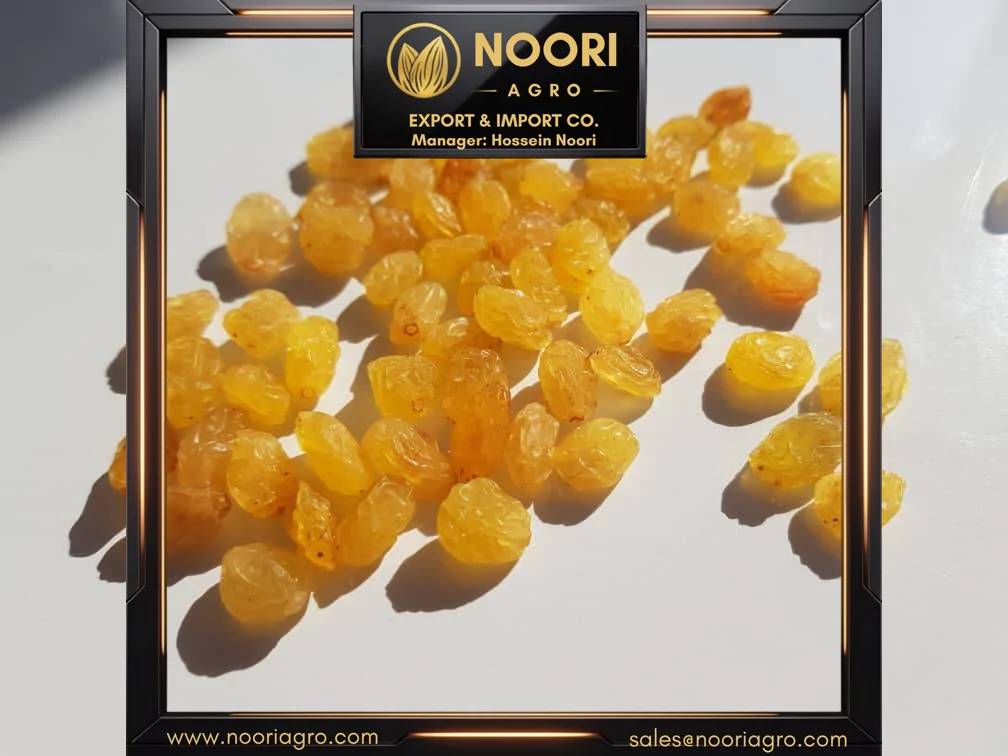
Golden Raisins
Golden (sun-dried) raisins from the vineyards of Bonab—natural, sweet, and processed to export standards.

Fresh Apples & Pomegranates
Iranian apples and pomegranates—export-grade quality—sorted and shipped with cold-chain logistics.
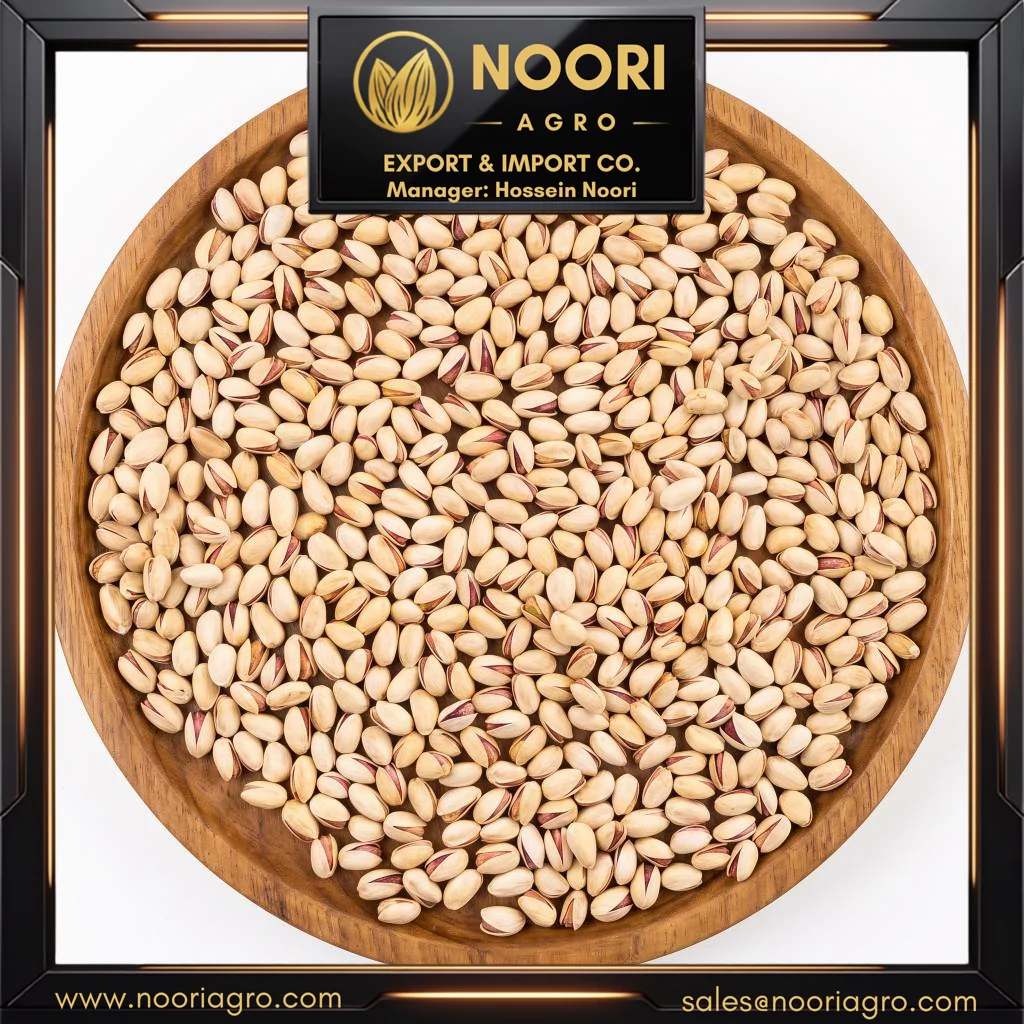
Akbari Pistachio
Premium long Iranian Akbari pistachios, available in-shell and as kernels, sourced directly from the manufacturer.
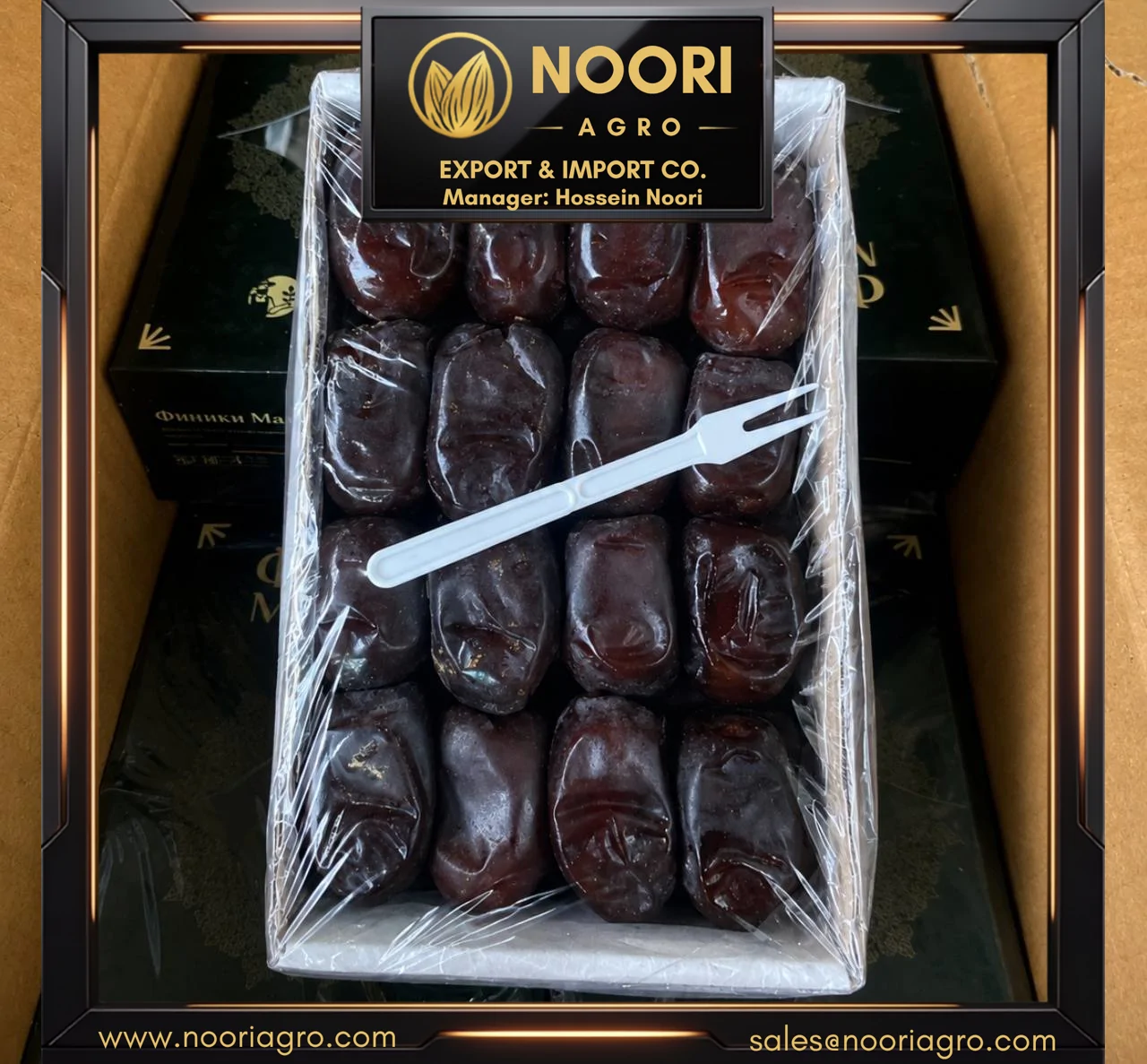
Mazafati Dates
Mazafati dates: fresh, semi-moist dates with a soft texture, thin skin, and relatively high moisture content.